

"Aluminium OS," the foundational software powering the Googlebook, is a new operating system built entirely on Android.
Originally conceived as an internal technical update to bring the Android tech stack to ChromeOS, the initiative has since evolved into a broader strategy to unify ChromeOS and Android. The result is Aluminium OS: a new platform heavily focused on leveraging Gemini-driven AI capabilities.
This article breaks down the development history of Aluminium OS and everything we know about the platform so far.
The Origins: Integrating Android Tech into ChromeOS
In a June 2024 post on ChromeOS.dev, Google explicitly stated its intention to adopt the Android tech stack to deliver Google AI and Gemini features to users faster and at a larger scale, a move also detailed in a separate announcement.
Historically, ChromeOS required new features and fixes to be tested and deployed alongside the OS itself, making standalone updates impossible. By adopting Android as its foundation, the system can now deliver OS features via Google Play System Updates and application updates directly through the Play Store.
However, at that time, Google stopped short of announcing a full integration, framing the move merely as embedding Android technologies into the existing ChromeOS architecture.
Later, in November 2024, Android Authority cited exclusive sources reporting that Google was planning a complete migration from ChromeOS to Android. At that point, Google had not officially confirmed the rumors.
Towards the Unification of ChromeOS and Android
In July 2025, Sameer Samat, President of the Android Ecosystem, publicly stated for the first time in an interview with TechRadar that the company would "integrate ChromeOS and Android into a single platform".
The following day, a clarification was made indicating that the future ChromeOS would be "the ChromeOS experience built on top of Android's foundational technology". Nevertheless, it is widely believed that the wheels for a full unification had been in motion long before the announcement.
In September 2025 at the Snapdragon Summit 2025, Rick Osterloh, Google's Senior Vice President of Platforms & Devices, revealed that the company was actively developing a common technological foundation for PCs and desktop computing, internally referred to as "Android for PC".
What is Aluminium OS?
Aluminium OS is the operating system for the Googlebook, built on the unified foundation of ChromeOS and Android. Its UI is based on Android's desktop mode, with its defining characteristic being that Gemini is woven directly into the core structure of the OS, rather than functioning as a standalone app or feature.
By utilizing Android as its base, the OS can run Android apps natively, allowing users to access a vast majority of existing Android applications. It also enables highly flexible operations, such as core function updates via Google Play Services and per-app updates.
In November 2025, a Google job posting on LinkedIn specifically mentioned a "new Aluminium, Android-based, operating system," marking the first time the project's internal codename "Aluminium" came to light.
It is worth noting that "Aluminium" was primarily used as an internal project name, and the official name was not finalized at the time the Googlebook was announced.
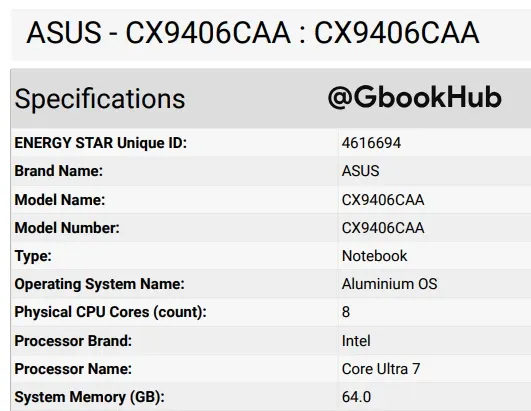
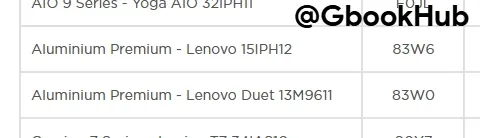
However, as of this writing, information from manufacturer websites and certification databases confirms the use of names like "Aluminium Premium" and "Aluminium OS".
A New OS Centered Around Gemini and AI
The job posting also explicitly stated that the OS would be "built around AI," indicating that Aluminium OS is not merely a hybrid of ChromeOS and Android, but a platform designed from the ground up with an AI-first philosophy.
Similar to current ChromeOS devices, the OS is expected to support four form factors:
-
Laptops
-
Detachables (removable keyboards)
-
Tablets
-
Boxes (equivalent to Chromeboxes)
Regarding pricing tiers, the posting revealed that three new AI-focused categories would be added alongside the existing "Chromebook" and "Chromebook Plus" lines:
-
Chromebook
-
Chromebook Plus
-
AL Entry
-
AL Mass Premium
-
AL Premium
Among these, the Fall 2026 release is confirmed to feature devices equivalent to the "AL Premium" tier. Given that the string "Aluminium Premium" appeared in Googlebook-related naming from Lenovo and HP, it is highly likely that a "Premium" tier will exist as a category distinction, regardless of the final official name.

Features of Aluminium OS
Currently, official information from Google regarding Aluminium OS remains sparse, but the following features have been announced:
Magic Pointer
The first feature highlighted during the Googlebook announcement was Magic Pointer, which integrates Gemini directly into the mouse cursor.
This feature allows Gemini to analyze what the cursor is pointing at and its context, suggesting contextually relevant actions. In Google's demonstration, the tool was shown allowing users to ask Gemini questions about a selected image, compare it, or create variations.
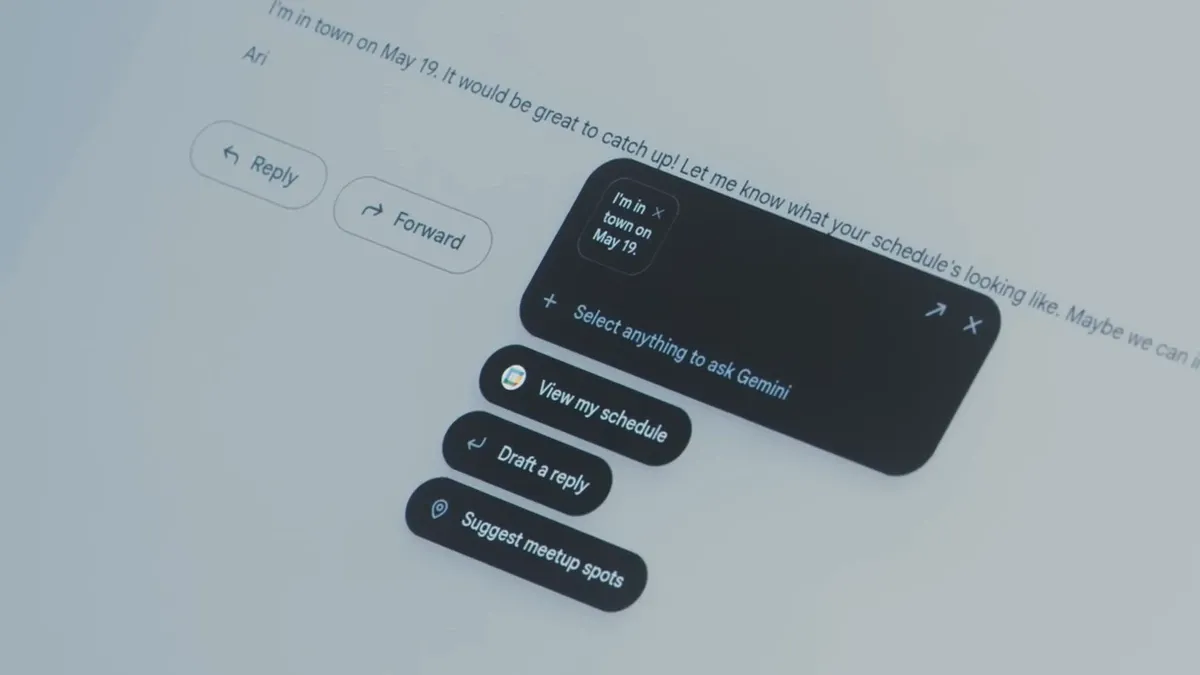
Notably, Magic Pointer is not baked directly into Aluminium OS but will instead be provided as a standalone app via the Play Store.
Create My Widget
Create My Widget is a feature that allows Gemini to generate custom desktop widgets based simply on natural language prompts.
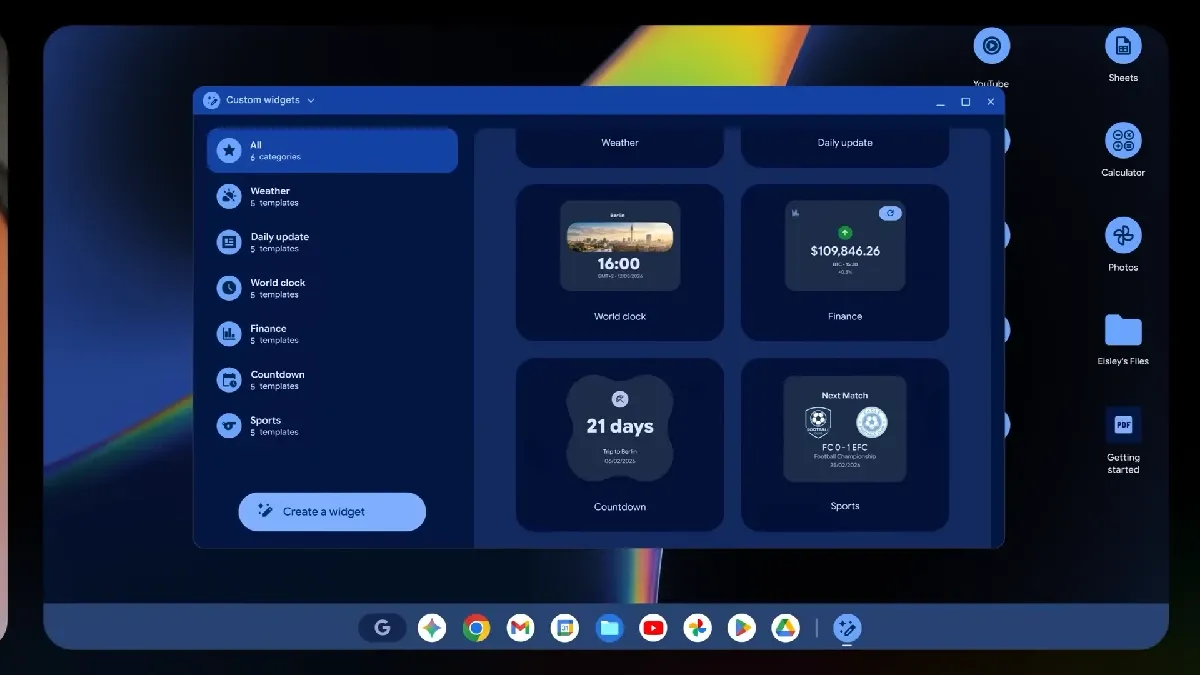
Beyond basic web searches, it integrates with Google apps like Gmail and Calendar. Examples shown included creating a personal dashboard that consolidates flight details, hotel reservations, restaurant bookings, and a countdown timer into a single view.
Cast My Apps
Cast My Apps enables users to control apps installed on their smartphone directly from their laptop's large screen with a single tap.
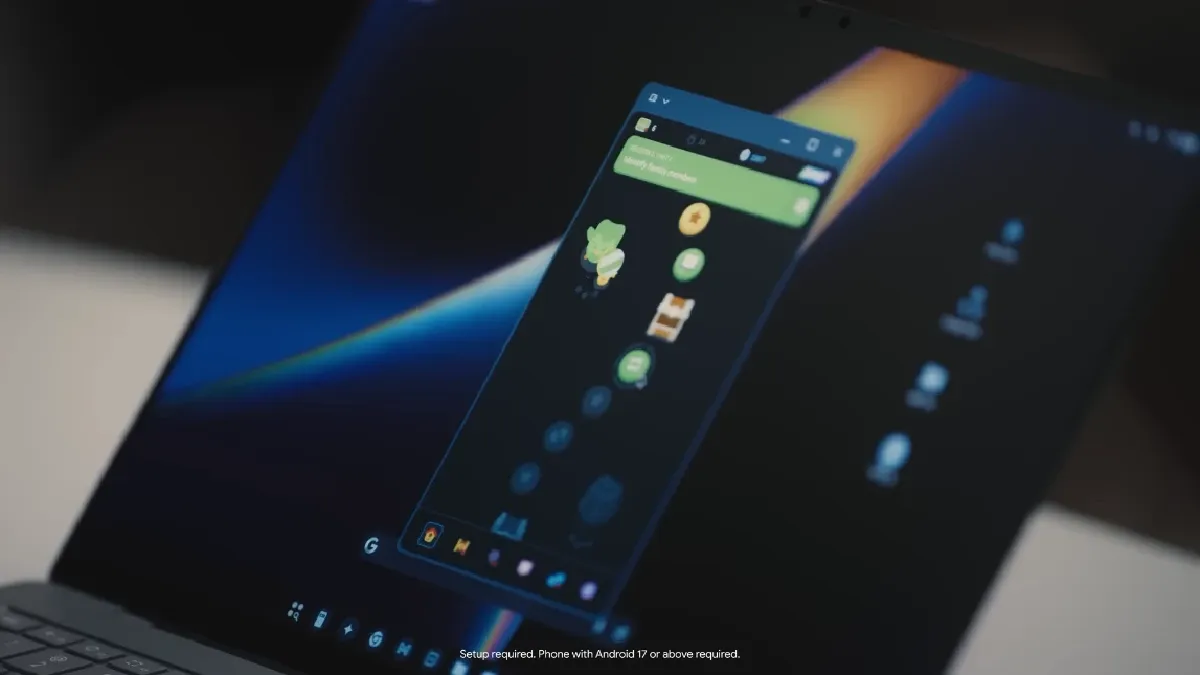
While a similar app streaming feature exists on ChromeOS, the Googlebook's Android-based platform offers deeper integration, promising a seamless experience akin to Mac's "iPhone Mirroring".
Quick Access
Quick Access allows users to browse, search, and insert files from their smartphone directly through the Googlebook's file browser.
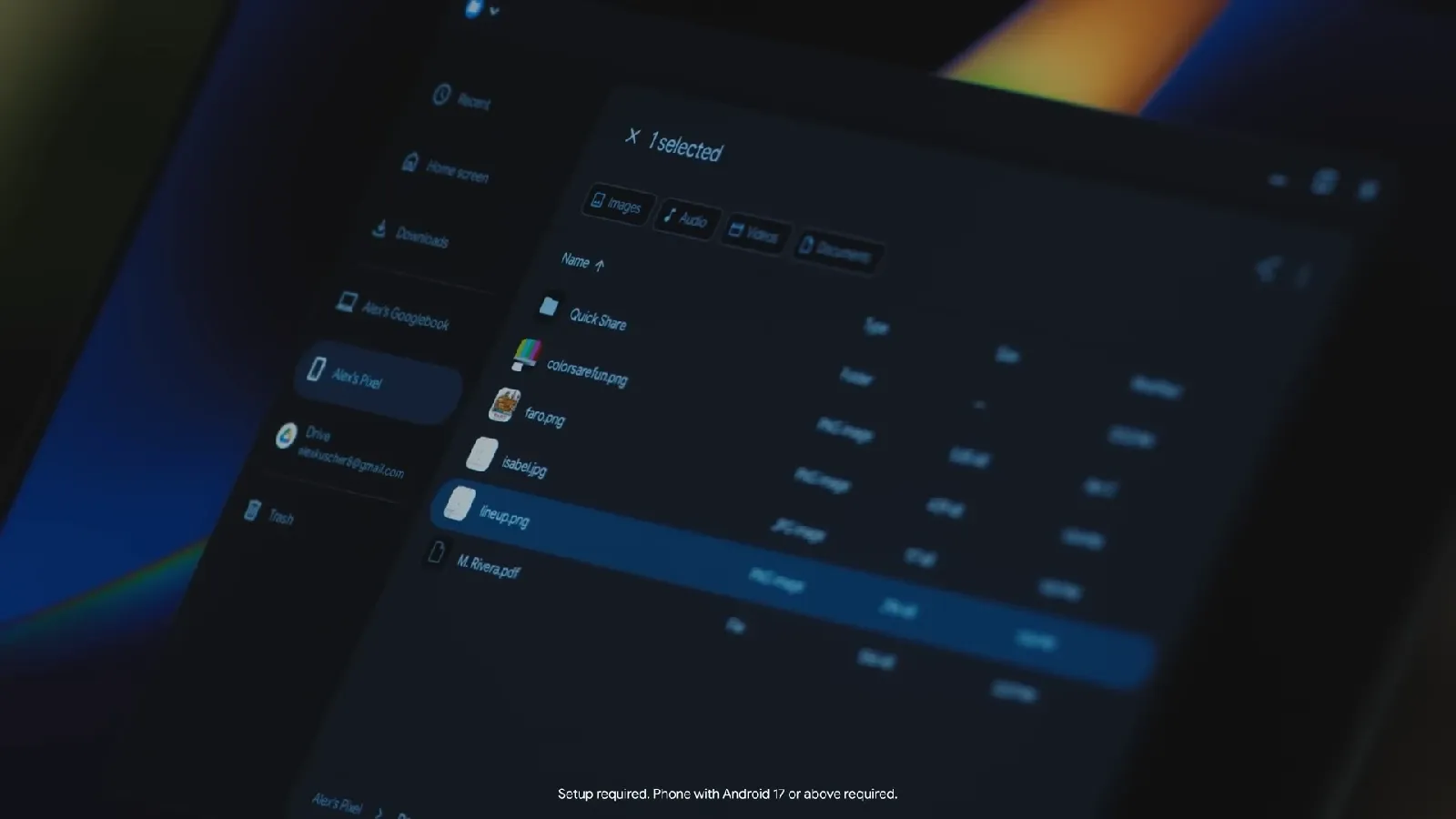
This eliminates the need for manual file transfers, letting users access files seamlessly without worrying about whether they are stored on the phone or the Googlebook.
Features Revealed Through Leaks
Beyond official announcements, the following features have been spotted in in-development builds of Aluminium OS:
-
Virtual Desktops: A desktop management tool to switch between multiple workspaces.
-
Desktop Folders: A feature to group and manage apps in folders.
-
Task Manager: A system management app optimized for desktop use.
-
Quick Settings & Notification Panel: A UI optimized for large screens.
-
Gestures: Touchpad and keyboard gestures and shortcuts.
-
Link to iOS: Integration features with Apple devices, including iPhones.
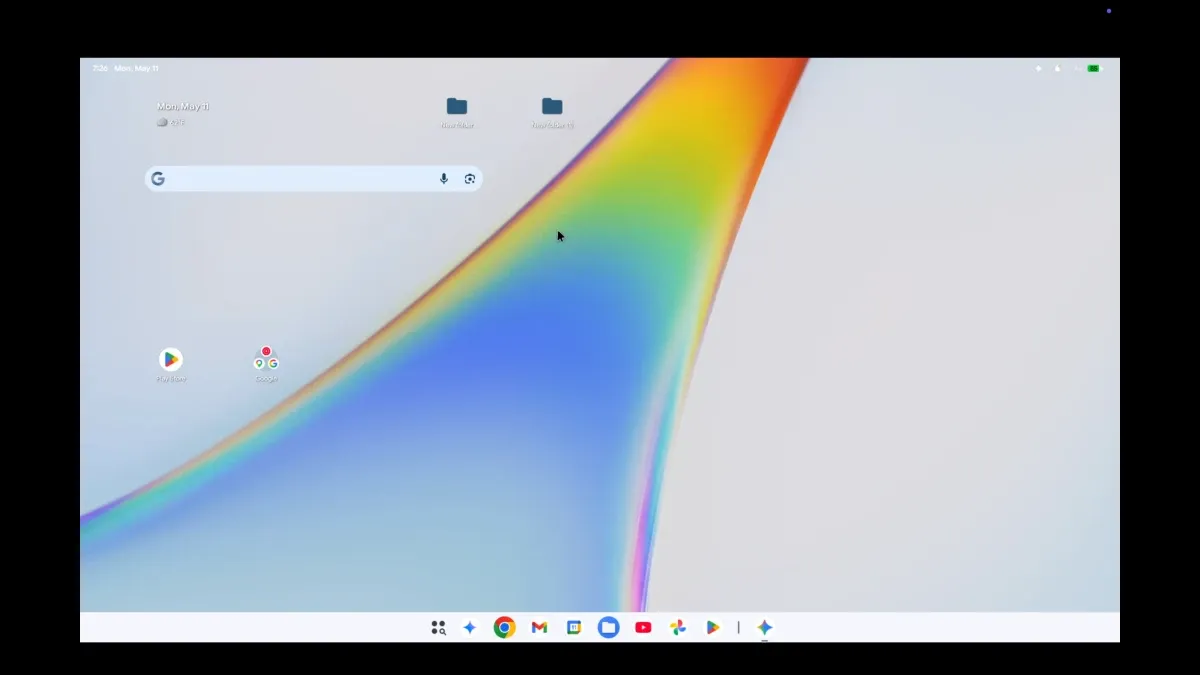
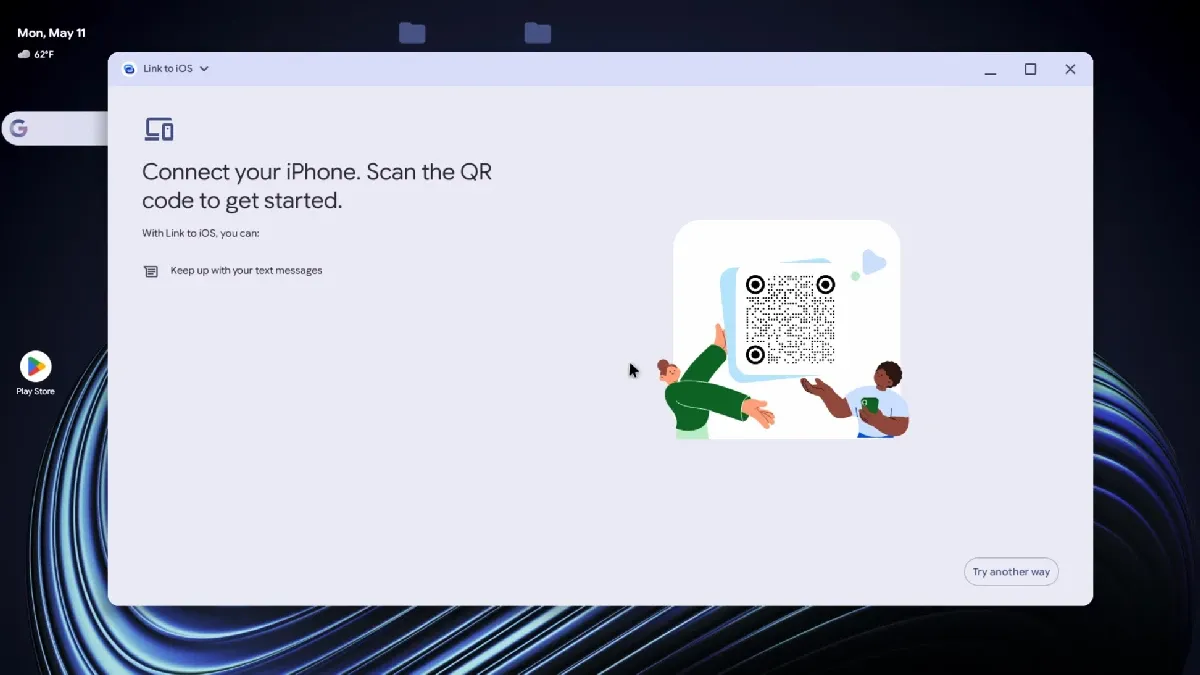
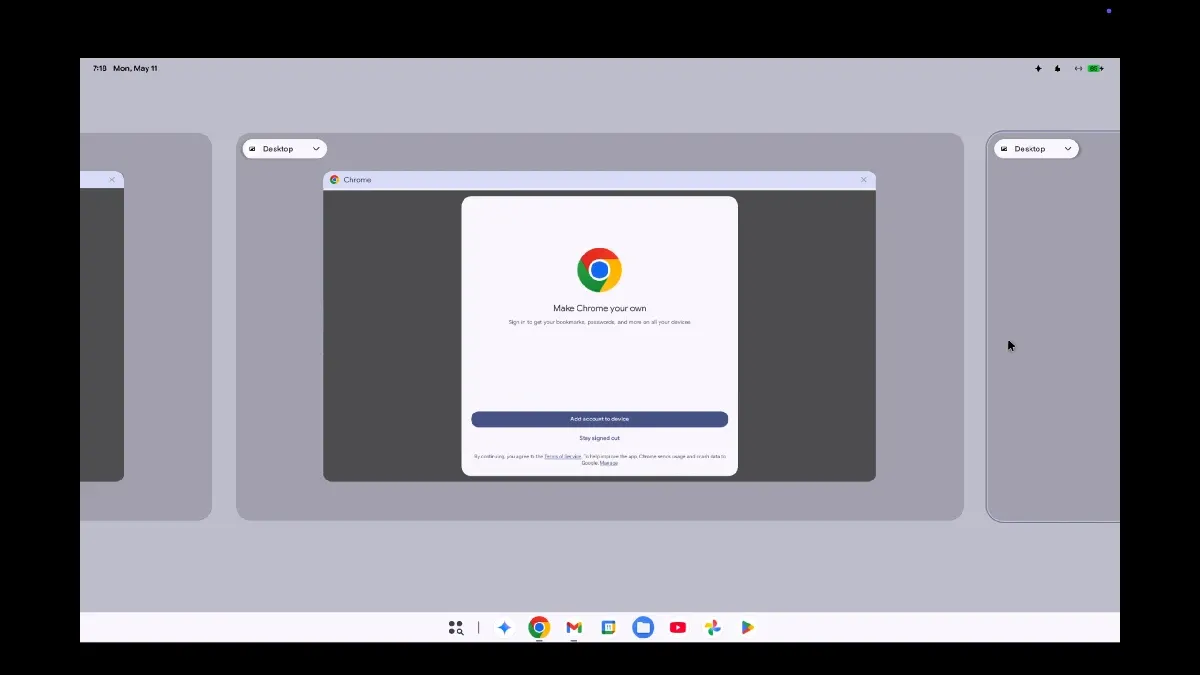
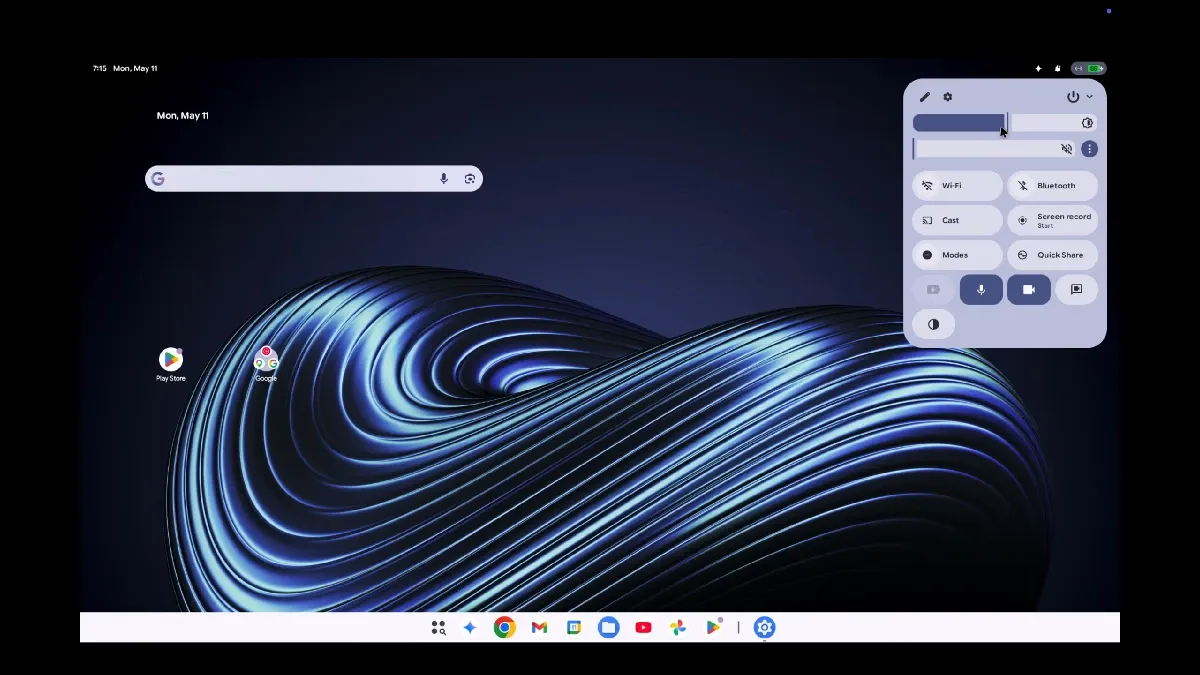
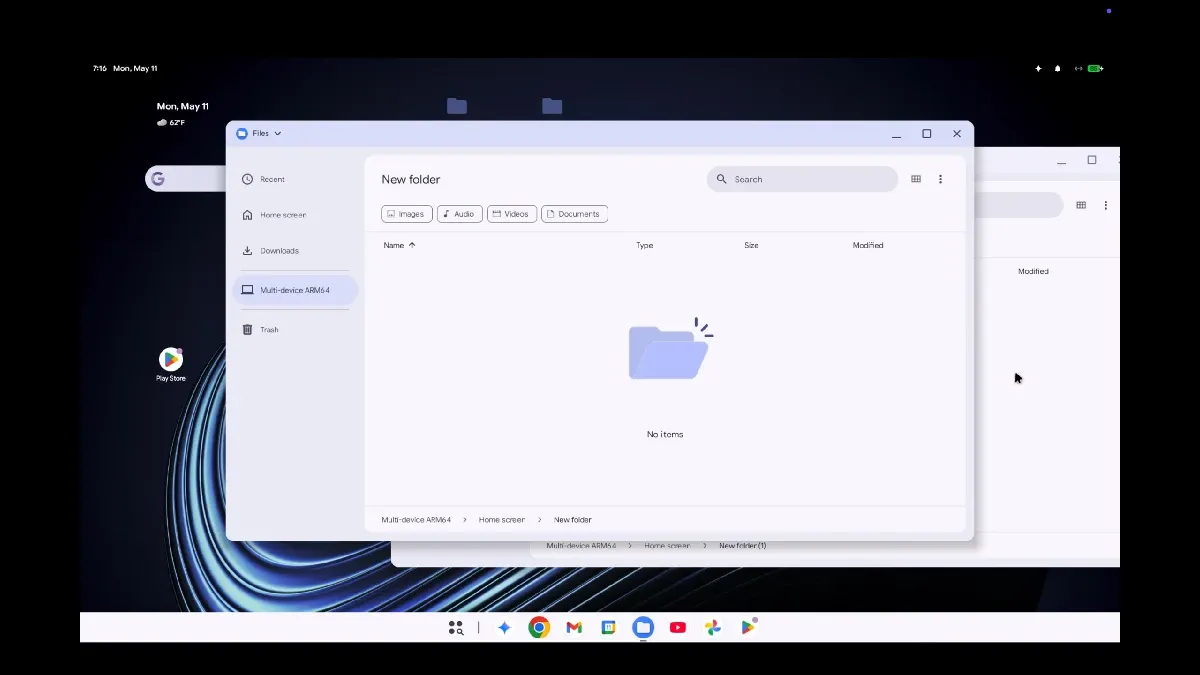
While these were discovered in developmental builds and their official inclusion is not guaranteed, most are essential for a desktop environment. Furthermore, if these features are already available on Chromebooks or Android desktop mode, their implementation is highly probable.
Summary
At this stage, Google has revealed limited details about Aluminium OS, and the full picture remains unclear. However, unlike traditional laptops, Chromebooks, or Android desktop mode, there is no doubt that Gemini-driven AI capabilities are positioned at the absolute core of the OS.
The Fall 2026 launch is expected to feature an initial lineup of six devices from five launch partners, corresponding to the AL Premium tier. On the other hand, since existing Chromebooks will not disappear immediately, consumers will still have to weigh whether to wait for a Googlebook or purchase a Chromebook Plus depending on their needs and budget